BPC-157: mechanism, uses, and the compliance picture
Quick facts
BPC-157 is one of the most talked-about peptides in recovery circles — and one of the most important to approach carefully on the compliance side. Here is a clear, honest overview for practitioners.
What it is
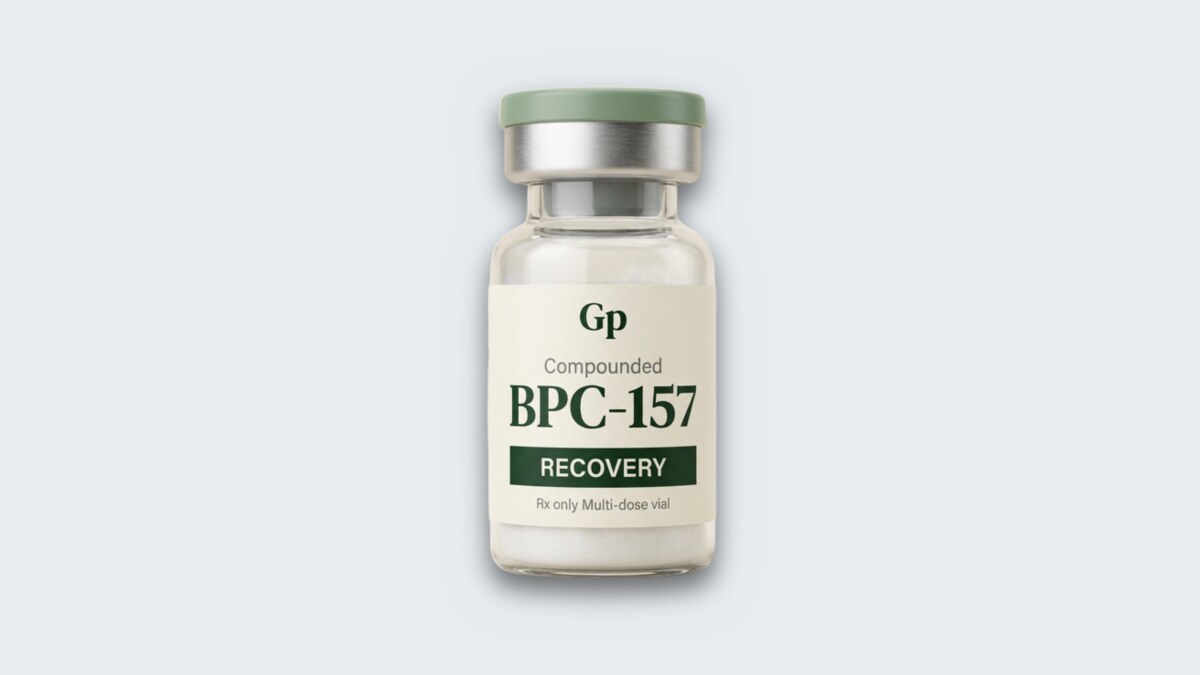
BPC-157 (“Body Protection Compound”) is a synthetic pentadecapeptide — a chain of 15 amino acids derived from a sequence identified in gastric juice. In preclinical and laboratory research it has been studied for roles in tissue repair and the modulation of inflammation, which is the basis for its interest in recovery contexts.
How it is discussed in practice
Practitioners who use it position it within recovery and tissue-support protocols, typically as a short course under clinical supervision. It is important to be precise: much of the evidence base is preclinical, and BPC-157 is not an FDA-approved drug. Claims should stay measured and grounded in what is actually established.
The compliance picture — read this carefully
BPC-157’s regulatory status for compounding has been a moving target. Federal and state positions on whether it may be compounded for human use have shifted, and in some jurisdictions it is restricted. This is not a peptide to source casually.
If you do source it
- Insist on a state-licensed pharmacy and valid prescriptions.
- Require a per-lot COA with identity and purity testing.
- Keep patient-facing language accurate and non-promotional.
Stocking peptides for your practice?
Pharmacy-backed product with a COA on every lot, shipped cold-chain. Request pricing for your program.
Request a quote →This article is general educational information for licensed practitioners and is not medical, legal, or regulatory advice. Compounded preparations are not FDA-approved; availability and permitted use depend on current FDA and state regulations, which change. Confirm requirements for your jurisdiction with qualified counsel and your pharmacy partner.