How to read a peptide Certificate of Analysis
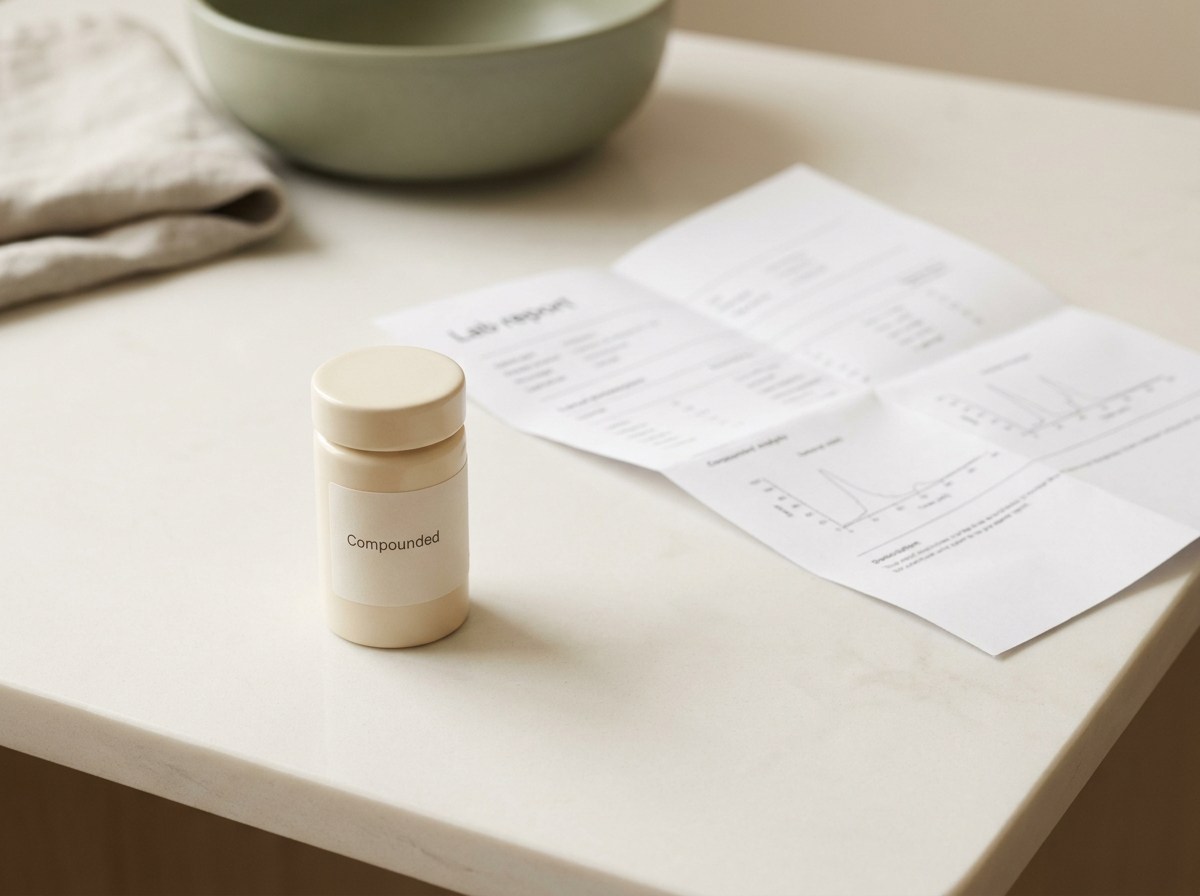
A Certificate of Analysis (COA) turns “trust us” into “here is the evidence.” Every lot you bring into your practice should have one, and you should know how to read it in under a minute.
Identity
Identity testing confirms the vial actually contains the peptide on the label, usually established by mass spectrometry measuring molecular weight against the expected value. If identity is not confirmed, nothing else matters.
Purity
Purity is typically reported by HPLC as a percentage — the proportion of the sample that is the target peptide versus related impurities. For clinical-grade peptides you generally want the high-90s. A number without a method named beside it is a red flag.
Sterility and endotoxins
For injectables, two USP chapters matter: sterility (USP <71>) and bacterial endotoxin (USP <85>). These confirm the product is free of viable microorganisms and within endotoxin limits.
Red flags
- No lab named, or a lab that cannot be found.
- Results with no method behind them.
- A COA that does not match the lot number on the vial.
- Missing sterility or endotoxin data on an injectable.
We publish COAs by lot number in a searchable database so your team can pull the certificate for any vial on hand.
Stocking peptides for your practice?
Pharmacy-backed product with a COA on every lot, shipped cold-chain. Request pricing for your program.
Request a quote →This article is general educational information for licensed practitioners and is not medical, legal, or regulatory advice. Compounded preparations are not FDA-approved; availability and permitted use depend on current FDA and state regulations, which change. Confirm requirements for your jurisdiction with qualified counsel and your pharmacy partner.