TB-500 and tissue repair: a practitioner primer
Quick facts
TB-500 frequently comes up alongside BPC-157 in recovery conversations. The two are different molecules with different origins, and it is worth understanding TB-500 on its own terms.
What it is
TB-500 refers to a synthetic fragment related to thymosin beta-4, a naturally occurring peptide involved in cell migration and the actin cytoskeleton — processes relevant to tissue repair. In research settings it has been studied for roles in wound healing and recovery.
How it is used
In practice it appears in recovery and tissue-support protocols, sometimes combined with BPC-157, under clinical supervision. As with BPC-157, the human evidence base is limited and it is not an FDA-approved drug, so practitioner communication should stay measured and accurate.
Sourcing and compliance
The same caution applies as for other research-stage peptides: regulatory status for compounding varies and has changed over time. Whether TB-500 may be compounded for human use where you practice is a question for your pharmacy partner and current regulations — not an assumption.
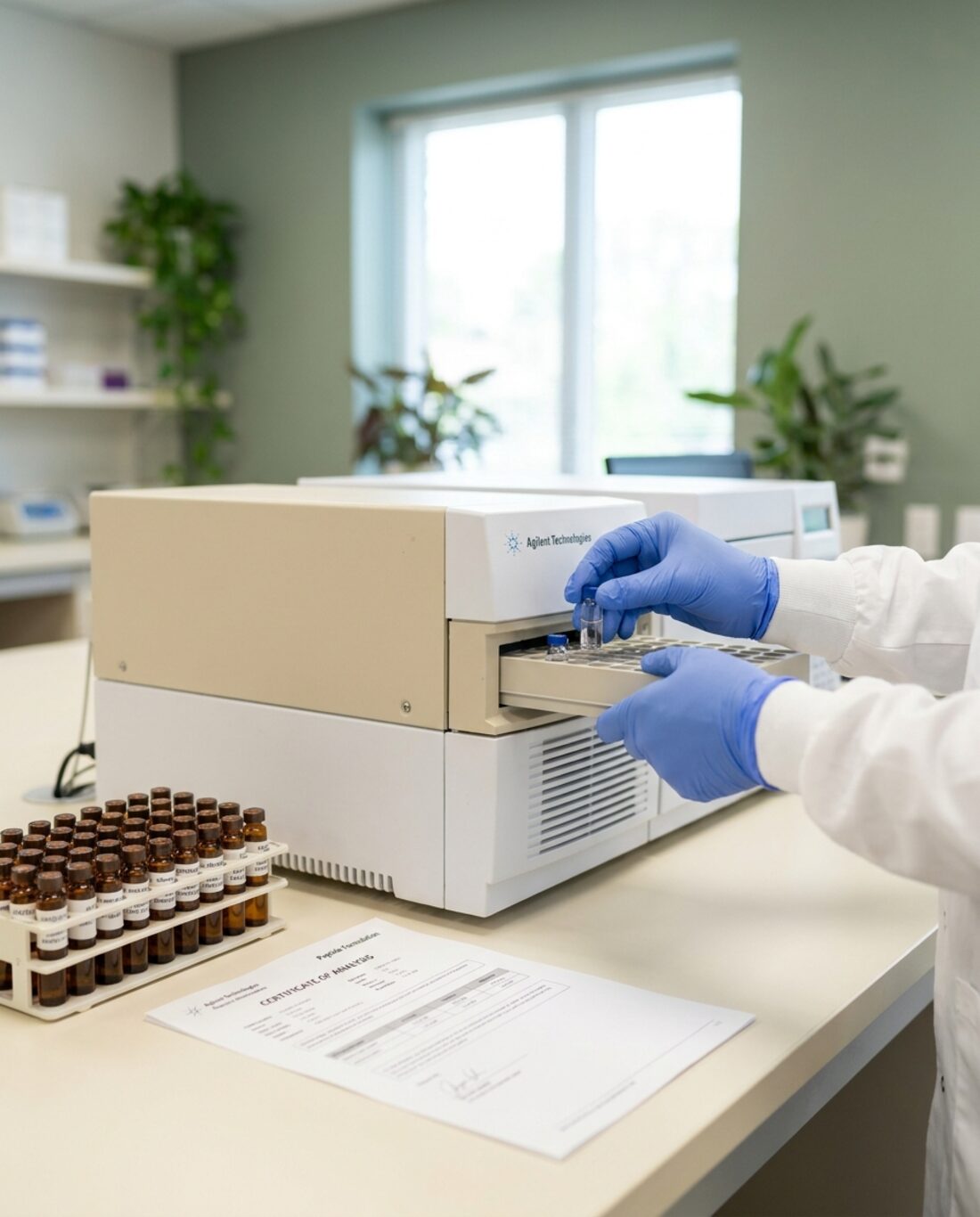
What to look for on the COA
- Identity by mass spectrometry against the expected molecular weight.
- Purity by HPLC, with the method named.
- Sterility and endotoxin results for injectable preparations.
Stocking peptides for your practice?
Pharmacy-backed product with a COA on every lot, shipped cold-chain. Request pricing for your program.
Request a quote →This article is general educational information for licensed practitioners and is not medical, legal, or regulatory advice. Compounded preparations are not FDA-approved; availability and permitted use depend on current FDA and state regulations, which change. Confirm requirements for your jurisdiction with qualified counsel and your pharmacy partner.