Tirzepatide: what weight-loss clinics should know
Quick facts
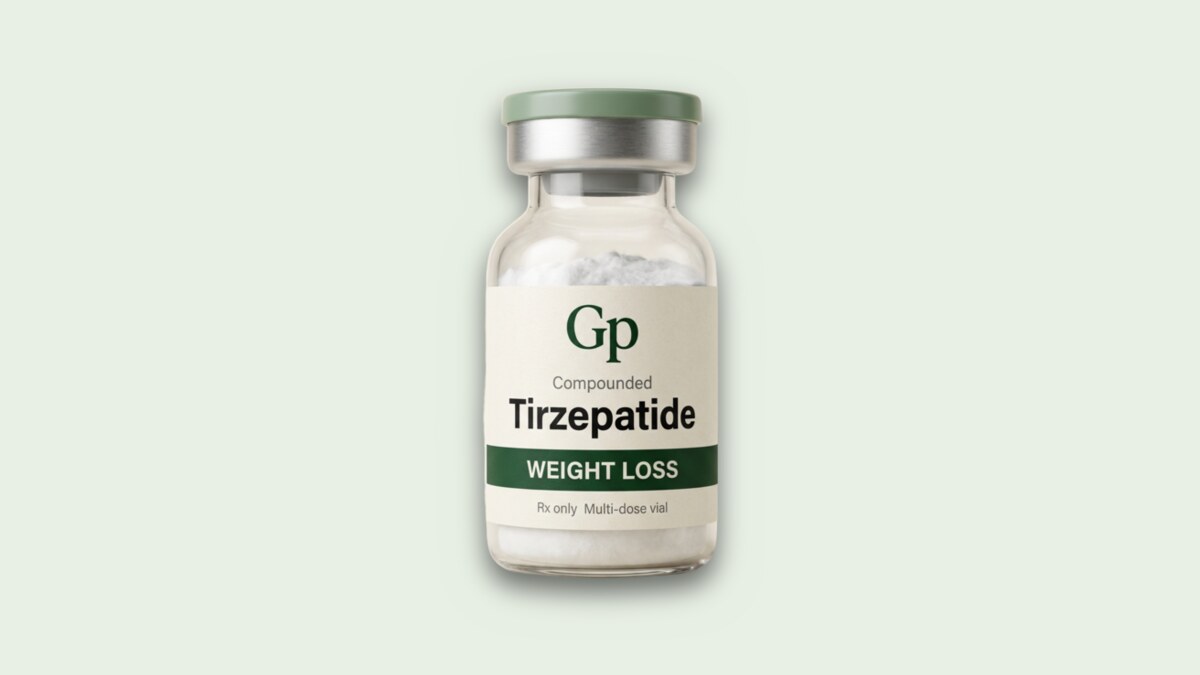
Tirzepatide has reshaped what a medical weight program can offer. As a single molecule that activates two incretin receptors, it sits at the center of many clinics’ metabolic offerings — but the operational and regulatory details matter as much as the pharmacology.
How it works
Tirzepatide is a dual agonist: it activates both the GIP and GLP-1 receptors. Together these pathways influence appetite, insulin secretion, and energy balance. The dual mechanism is what distinguishes it from single GLP-1 receptor agonists like semaglutide, and is why it is often discussed alongside — not interchangeably with — that molecule.
How clinics use it
In practice, tirzepatide is administered as a once-weekly subcutaneous injection, with dosing titrated over time under a prescriber’s direction. Programs typically pair it with nutrition, lifestyle, and monitoring rather than treating it as a standalone intervention. Patient selection, titration, and side-effect management are clinical decisions that belong with the prescriber.
The sourcing and regulatory reality
This is where many programs get into trouble. The availability of compounded tirzepatide is directly tied to FDA shortage determinations and state rules, both of which have shifted and can change again. Whether a compounded version may be offered, and to whom, depends on the current regulatory picture in your jurisdiction.
What to confirm before sourcing
- That a state-licensed pharmacy is compounding it under valid prescriptions.
- That a per-lot COA documents identity (mass spec) and purity (HPLC).
- That the product ships and stores cold-chain, and arrives in spec.
- That what you intend to offer is permitted in your state right now.
Stocking peptides for your practice?
Pharmacy-backed product with a COA on every lot, shipped cold-chain. Request pricing for your program.
Request a quote →This article is general educational information for licensed practitioners and is not medical, legal, or regulatory advice. Compounded preparations are not FDA-approved; availability and permitted use depend on current FDA and state regulations, which change. Confirm requirements for your jurisdiction with qualified counsel and your pharmacy partner.